Expert Outlooks on Global Trends in the Coming Year
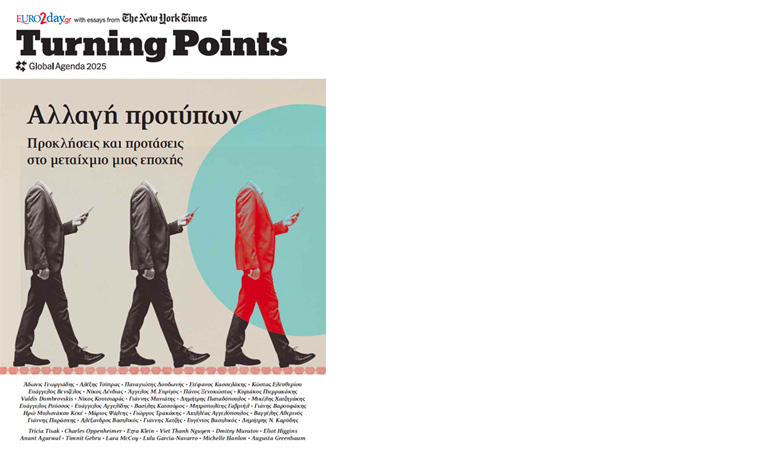
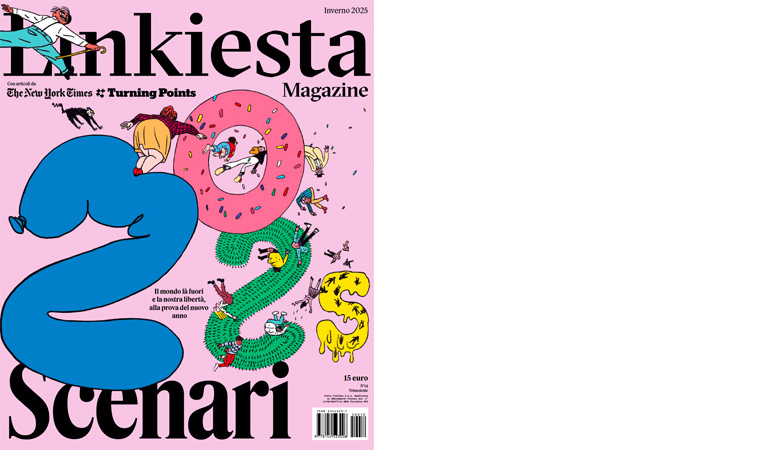
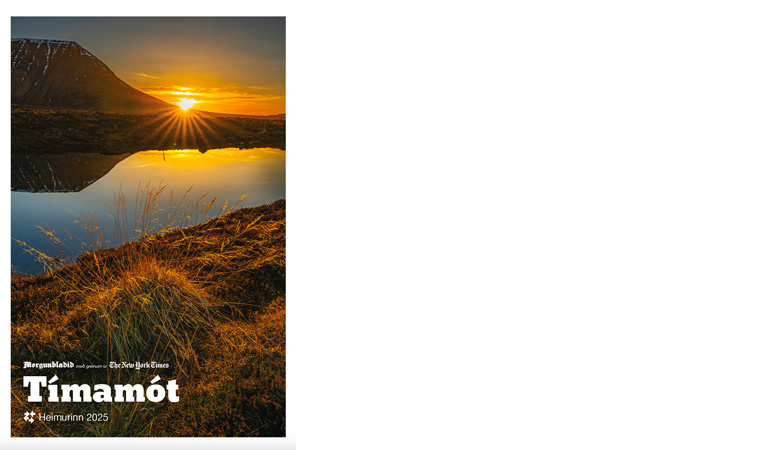
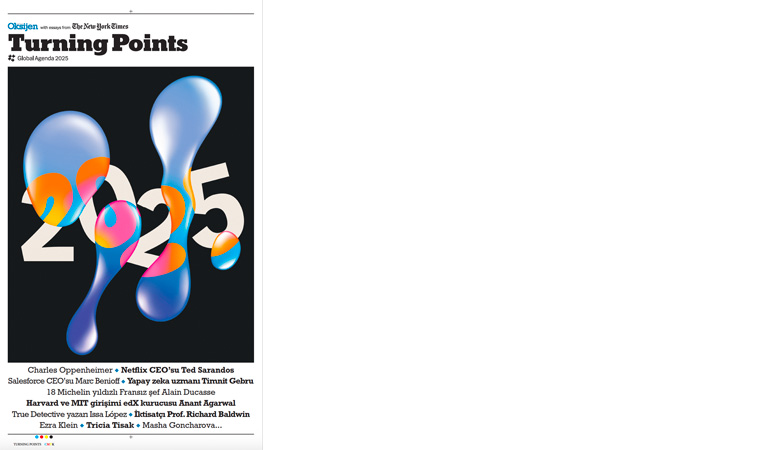
Turning Points is the original year-ahead licensed magazine from The New York Times featuring exclusive content from globally recognized voices who share their unique perspectives on how our world and our lives may change in the coming year and beyond. Global trends are analyzed by a series of experts on a range of topics including culture, science, technology and more.
Service Details
Publication Guidelines
Rights: Print and digital. May be published as a standalone title or as an insert.
Languages: Available in English and Spanish. Publishers may translate into other languages.
Branding: Licensee logo, approved connector language, The New York Times logo and The Turning Points logo.
Design: Suggested cover and page designs provided.
Production Timeline
August 2025: All contributors and topics announced
November 7: All English-language texts and images available
November 26: All translations available
December 13: Available for publication
November 7: All English-language texts and images available
November 26: All translations available
December 13: Available for publication
The Benefits of Licensed Content from Turning Points: Global Agenda
Licensees receive a collection of essays, images and editorial features suitable for publication either shortly before or after the start of the year. Local content may be added to create a bespoke magazine, online section or standalone app. Print and digital rights are available.
2026 Contributors
Dan Jones
British historian
Shigeru Ban
Japanese architect
Jonathan Haidt
American social psychologist
Jack Thorne
British playwright and screenwriter
Harris Reed
British-American fashion designer
Natalie Lafourcade
Mexican singer-songwriter
Gina Apostol
Filipino-American author
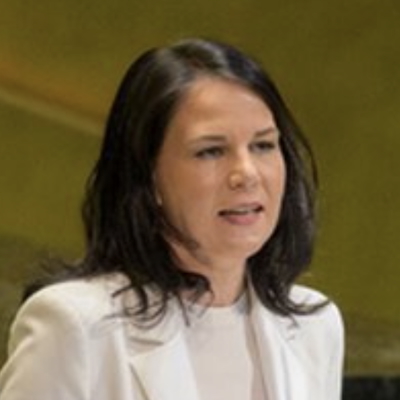
Annalena Baerbock
German politician
Alaa Murabit
Libyan-Canadian global expert in health
Diego Luna
Mexican actor
Marcel Dzama
Canadian visual artist
Pita Limjaroenrat
Thai businessman and former politician
Featured Department
The Big Question: What Is Your Greatest Superstition?
According to the ancient Romans, the human body renewed itself every seven years, and a person’s soul was reflected by mirrors — thus came the well-known superstition that breaking a mirror was followed by seven years of bad luck. Superstitions like these can come from mysticism, traditions passed down from our ancestors, religious principles or even coincidental events. Some have become so familiar that they are part of the broader accepted culture, while others are extremely niche and personal.
Whatever form they take, our superstitions are often ingrained in us, unconscious reflections of our hopes, desires, fears and histories. They are sometimes baffling, occasionally funny and often deeply revealing.
So we asked a group of luminaries to peel back this curtain to answer the question: What is your greatest superstition?
Whatever form they take, our superstitions are often ingrained in us, unconscious reflections of our hopes, desires, fears and histories. They are sometimes baffling, occasionally funny and often deeply revealing.
So we asked a group of luminaries to peel back this curtain to answer the question: What is your greatest superstition?
With photos and illustrations as available.
MORE HIGHLIGHTS IN 2026
Business Look Ahead
Today’s business leaders give their takes on economic issues around the world.
1,500 words with photos.
The Conversations
2-3 moderated discussions on major issues.
Various contributors. Up to 3,000 words each, with photos or illustrations.
First Time Ever
Events and trends identified for the first time ever in 2024, ranging from the serious to the silly.
1,000 words 6-8 images.
The Year in Photos
A month-by-month series of photos visually recounting the high points of the year, as seen by photographers for The New York Times.
20-30 photos with captions.
News Flash: A Turning Points Trivia Quiz
How well do you really know what happened in the world this past year? Some of the biggest stories and moments in the news didn’t actually make the front page, but still made a splash and left an impression. Test out how well you were paying attention to the minor – but vivid – details in the news that got people talking.
1,500 words with illustration.
The Century
With the help of The New York Times’s archives, we go back 100 years to 1926 to revisit what people around the world were thinking, debating and celebrating, as well as what they were predicting for the future.
1,500 words with photos and graphics.
Related Services